
Public
Accredited · Higher Learning Commission
University Center, Michigan
A complete at-a-glance picture of every metric that matters for your 2026 application
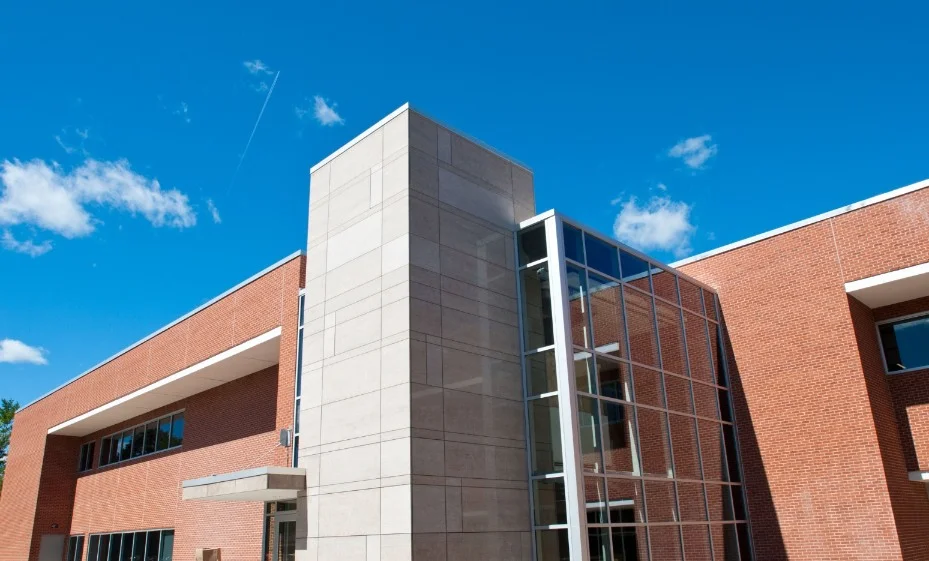
Delta College serves Michigan's Great Lakes Bay Region through its main campus in University Center and multiple learning centers. Established in 1961, the college occupies a 640-acre park-like campus featuring the Pioneer Sugar Natural Area and the Planetarium. Delta excels in advanced manufacturing, healthcare, and renewable energy programs, with facilities including the Dow Chemical Science Center and the Automotive Technology Center.
The college's 'Great Lakes Bay Manufacturing Alliance' connects students with regional employers. Delta's 'Honors Program' offers enriched coursework, while its 'Sustainability Office' promotes green initiatives across campus. The college also hosts Michigan's only two-year mortuary science program.
Admission at Delta College is inclusive by design. 100% of applicants who meet basic eligibility are accepted.

A GPA a bit under the average isn't disqualifying at this tier. A solid test score or clear leadership record can offset it.
Source: IPEDS & College Scorecard (Nov 2025).
Delta College follows a Rolling Admissions policy, meaning applications are reviewed as they arrive and there is no single fixed deadline.
Delta College reviews applications continuously throughout the year. Seats and scholarships are awarded on a first-come, first-served basis, so applying early gives you a significant advantage for both admission and financial aid.
Deadlines are verified from official institutional sources but may change each cycle. Always confirm final dates on the official website.
Built from Delta College's own verified admissions data — adjust the sliders below
Adjust the sliders to see how every decimal point affects your outcome.
⚠️ Note: Predicting based on regional averages as this institution does not publicly report full score datasets.
Calculated via College Portal's Human-Intelligence (HI) Methodology & Editorial Standards. Verified by Sohaib Ahmad Khan.
Scores aren't just a formality at Delta College. Landing within or above the 2026 admitted class's middle 50% keeps you fully competitive, even where submission is optional.
Delta College provides an open gateway to higher education. Success here is about using available resources well and planning your longer-term academic or career path.
Delta participates in Michigan Reconnect, the state program covering tuition for eligible adult residents pursuing an associate degree or certificate. Because eligibility rules (age, residency, prior-degree status) are set at the state level and can be revised, verify current criteria directly with Delta's financial aid office or Michigan.gov before assuming it applies to your situation - don't rely on older articles describing the program's original terms.
Delta's Michigan Transfer Agreement only requires completing one credit-bearing course at Delta itself - the rest of the 30-credit MTA block (six subject areas, C/2.0 or higher) can come from transfer credit you already hold. If you're arriving with AP credit, dual-enrollment credit, or coursework from elsewhere, meet with an admissions advisor immediately to map which credits you already have toward the block, rather than re-taking gen-ed courses Delta already recognizes.
Completing an associate degree with the MTA inside a designated Wayne State Transfer Pathway guarantees general admission and junior status at WSU - and if you're also a Michigan Reconnect student, WSU adds a $4,000 Reconnect Transfer Award ($1,000/semester for up to two years). Enroll in the specific pathway (not just "transfer intent") from your first semester at Delta so your course selections align with WSU's major-specific requirements from the start.
Delta's NASA-funded Planetarium and Learning Center in downtown Bay City is a genuine academic resource, not just a public attraction - it hosts astronomy coursework, a rooftop observatory, and community science programming. STEM-bound students (especially physics/earth science) should ask their advisor about coursework tied to the facility and volunteer/outreach opportunities there, which read as substantive on transfer applications precisely because they're specific to this campus.
This UNITID belongs to Delta College in University Center/Bay City, Michigan - not San Joaquin Delta College in Stockton, California. The two are frequently conflated in search results and even some aggregator sites; always confirm any transfer agreement, program, or deadline referenced is sourced from delta.edu (Michigan), not deltacollege.edu (California), before including it in a plan.
Whether Delta College is worth it depends less on its reputation and more on your program choice, financial aid package, and career goals. Here's the data to weigh it against.
Admitted students' families report a median household income around $53,100, and graduates see a 4.38% unemployment rate.
Listed tuition runs $11,953/year at Delta College. Factor in Pell and federal grant aid, and most students land closer to $4,550.
At Delta College, 35.4% receive a Pell Grant and 12.5% carry federal loans. Filing FAFSA early and naming Delta College on it improves your shot at both.
Ten years out from enrollment, Delta College graduates report a median income of $37,781, somewhat below the U.S. median graduate income of $40,595.
Delta College graduates earn a lower median salary of $37,781/year, especially outside technical fields.
Tuition at Delta College is relatively affordable, around $11,953/year.
35.4% of Delta College students get a Pell Grant. Your odds depend mostly on household income, and filing FAFSA early still helps maximize what you're offered.
Delta College follows Rolling Admissions. Applications are reviewed year-round, so applying early is your best strategy.
Transferring in is a well-trodden path here. Line up your transcripts, recommendations, and a strong personal statement before applying.
The biggest levers are academic performance, a clear extracurricular focus, and essays that stand out, plus a solid test score where the school considers one.