Public
Accredited · Higher Learning Commission
Kalamazoo, Michigan
A complete at-a-glance picture of every metric that matters for your 2026 application
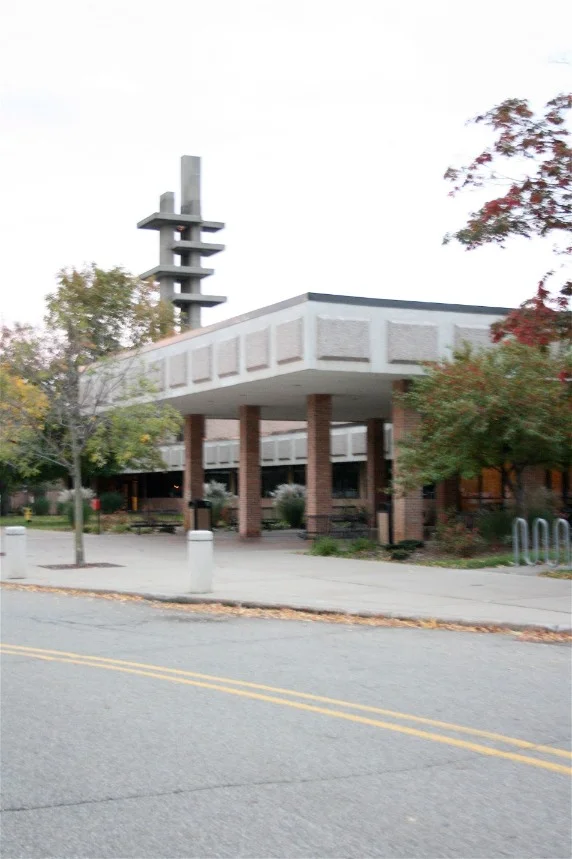
Kalamazoo Valley Community College serves Michigan's southwest region with comprehensive academic and workforce programs. Established in 1966, the college offers over 100 degree and certificate programs with strengths in healthcare, culinary arts, and advanced manufacturing. The 'Texas Township Campus' features the 'Marilyn J. Schlack Culinary and Allied Health Building.'
KVCC's 'Food Innovation Center' supports local food businesses, while its 'Honors Program' provides enhanced academic opportunities. The college's 'Arcadus' program offers free tuition for eligible students. KVCC maintains strong community partnerships.
Admission at Kalamazoo Valley Community College is inclusive by design. 100% of applicants who meet basic eligibility are accepted.

A GPA a bit under the average isn't disqualifying at this tier. A solid test score or clear leadership record can offset it.
Source: IPEDS & College Scorecard (Nov 2025).
Kalamazoo Valley Community College follows a Rolling Admissions policy, meaning applications are reviewed as they arrive and there is no single fixed deadline.
Kalamazoo Valley Community College reviews applications continuously throughout the year. Seats and scholarships are awarded on a first-come, first-served basis, so applying early gives you a significant advantage for both admission and financial aid.
Deadlines are verified from official institutional sources but may change each cycle. Always confirm final dates on the official website.
Built from Kalamazoo Valley Community College's own verified admissions data — adjust the sliders below
Adjust the sliders to see how every decimal point affects your outcome.
⚠️ Note: Predicting based on regional averages as this institution does not publicly report full score datasets.
Calculated via College Portal's Human-Intelligence (HI) Methodology & Editorial Standards. Verified by Sohaib Ahmad Khan.
Scores aren't just a formality at Kalamazoo Valley Community College. Landing within or above the 2026 admitted class's middle 50% keeps you fully competitive, even where submission is optional.
Kalamazoo Valley Community College provides an open gateway to higher education. Success here is about using available resources well and planning your longer-term academic or career path.
As of 2026, the Kalamazoo Promise now covers 100% of tuition and mandatory fees for eligible KPS graduates at KVCC, replacing the old 65?100% sliding scale. Have Kalamazoo-district students submit the Scholarship Acceptance Form (SAF) and a KVCC Welcome Form starting fall of senior year - the earlier both are on file, the sooner Promise Services can lock in the award before the first semester bill.
KVCC doesn't use a proctored placement exam - students review emailed English/Math self-placement recommendations, then finalize their course placement in a discussion with an advisor at mandatory orientation. Have students actually read and think through those recommendations beforehand (rather than skimming past the email) so the advising conversation produces an accurate placement instead of a rushed default.
The Marilyn J. Schlack Culinary and Allied Health Building intentionally stacks Menus That Matter? Culinary Arts and Sustainable Brewing on the first two floors with Nursing, EMT, and Respiratory Therapy on the third - plus a student-run restaurant and caf? for real public-facing service. Students in any of these programs should mention this specific building and its food-health integration model when discussing program fit; it's a designed structural connection, not incidental proximity.
The Food Innovation Center at Bronson Healthy Living Campus runs a real food hub aggregating local farm produce for area hospitals and schools, alongside indoor/urban growing research. Students interested in sustainable food systems should ask specifically about practicum or internship placement there rather than assuming it's just a demonstration space.
All new students, regardless of program, must complete mandatory in-person orientation before registering for classes - including Promise-eligible and otherwise fully admitted students. Families who treat the Promise paperwork as the finish line sometimes delay scheduling orientation through MyValley, and discover they can't register for classes even though their scholarship and admission are both already confirmed.
Whether Kalamazoo Valley Community College is worth it depends less on its reputation and more on your program choice, financial aid package, and career goals. Here's the data to weigh it against.
Admitted students' families report a median household income around $58,200, and graduates see a 4.07% unemployment rate.
Listed tuition runs $9,517/year at Kalamazoo Valley Community College. Factor in Pell and federal grant aid, and most students land closer to $2,991.
At Kalamazoo Valley Community College, 26.6% receive a Pell Grant and 17.4% carry federal loans. Filing FAFSA early and naming Kalamazoo Valley Community College on it improves your shot at both.
Ten years out from enrollment, Kalamazoo Valley Community College graduates report a median income of $38,618, somewhat below the U.S. median graduate income of $40,595.
Kalamazoo Valley Community College graduates earn a lower median salary of $38,618/year, especially outside technical fields.
Tuition at Kalamazoo Valley Community College is relatively affordable, around $9,517/year.
26.6% of Kalamazoo Valley Community College students get a Pell Grant. Your odds depend mostly on household income, and filing FAFSA early still helps maximize what you're offered.
Kalamazoo Valley Community College follows Rolling Admissions. Applications are reviewed year-round, so applying early is your best strategy.
Transferring in is a well-trodden path here. Line up your transcripts, recommendations, and a strong personal statement before applying.
The biggest levers are academic performance, a clear extracurricular focus, and essays that stand out, plus a solid test score where the school considers one.